
A 25-year Swedish study of nearly 28,000 people found that regular consumption of high-fat dairy products such as cheese and cream may be associated with a lower risk of dementia. This conclusion poses a new challenge to current prevention strategies for Alzheimer’s disease. Currently, about 6.7 million elderly Americans suffer from dementia, and this number is expected to double by 2060.
High-Fat Dairy Linked to Lower Dementia Risk
Published in Neurology, the study indicated that people who ate 50 grams or more of high-fat cheese per day, or at least 20 grams of high-fat cream, had a lower risk of overall dementia and vascular dementia. By contrast, low-fat dairy products, butter and milk showed no such protective effects.
Key Reasons for the Efficacy Differences of Dairy Products
Emily Sonestedt, the lead researcher of the study, stated that the differences stem from varied nutritional components and consumption patterns. Fermented cheese contains bioactive compounds that help reduce inflammation and maintain vascular health, and cream is mostly used in moderate amounts in home cooking. Milk, without a fermentation process, is consumed in a different way. What’s more, milk from grass-fed cows is rich in Omega-3 fatty acids, offering better protective effects on the brain.
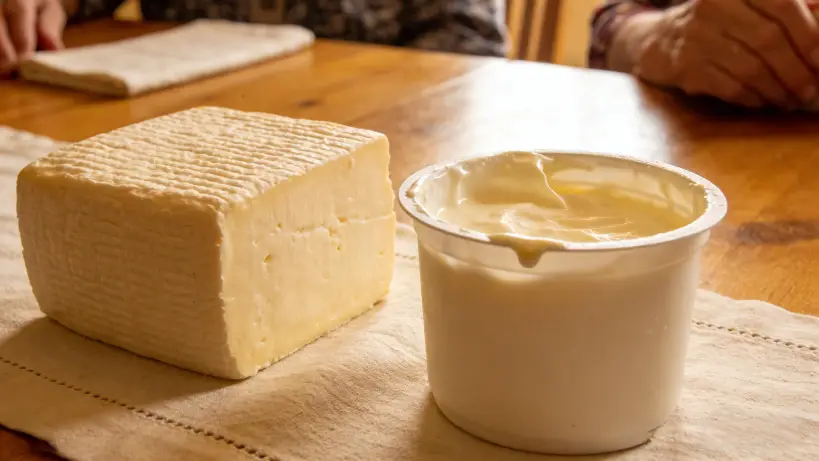
Precautions for Consuming High-Fat Dairy Products
People with the APOE ε4 gene variant who are sensitive to saturated fats cannot reap the aforementioned benefits from dairy intake, which is a key point for personalised dietary advice. This is an observational study, meaning high-fat dairy may only be a marker of a healthy lifestyle rather than a direct measure to prevent dementia. Experts warn against making drastic dietary changes solely based on this study, suggesting that moderate consumption of cheese and cream is advisable.
Leave a Reply