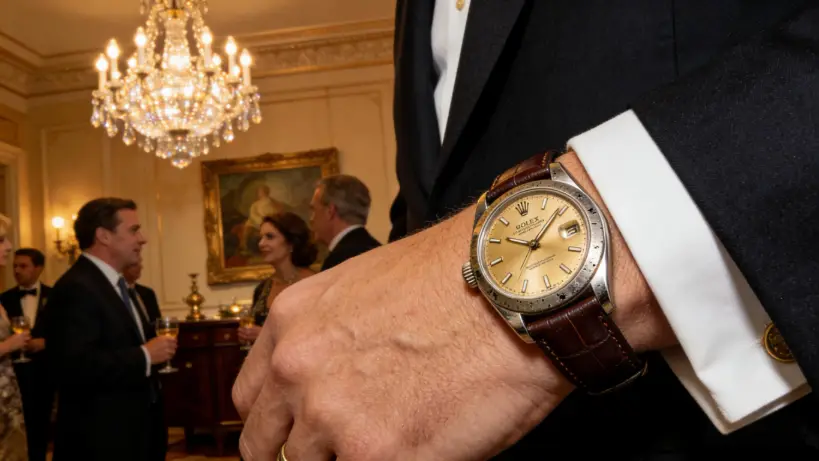
n the post-pandemic era, a remarkable shift is unfolding in the US pre-owned luxury goods market, especially for Rolex watches. Steel Daytonas are trading for three times their original retail price on the secondary market, and the waiting list for professional models stretches for years. Price fluctuations of pre-owned Rolex even rival those of tech stocks. Amid inflation fears and eroding trust in traditional financial systems, Rolex has long transcended its role as a mere timekeeping device to become a “wrist-worn hard currency” for Americans. Three core truths underpin this rise.
From Timekeeping Tool to “Wrist Asset”: The Overhaul of Investment Logic
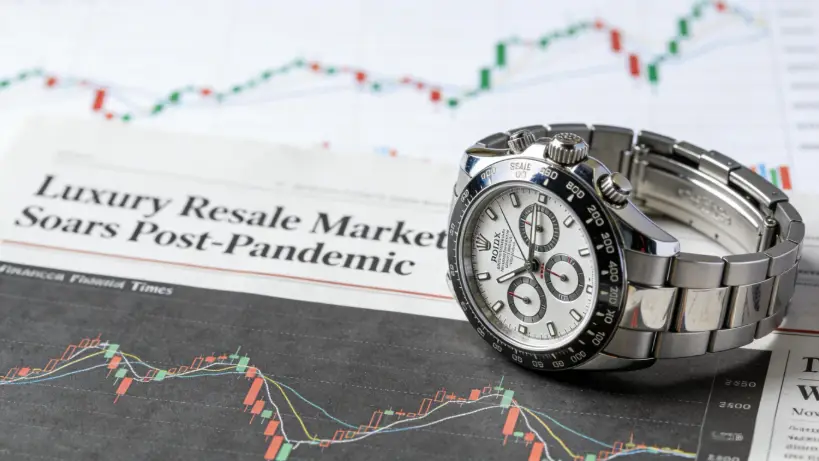
The explosive growth of Rolex in the US market hinges on its transformation into an asset class. Against a backdrop of rising prices, Rolex watches have emerged as a reliable investment for the middle and upper classes, thanks to their scarcity, high liquidity and exceptional durability. Professional models such as the Submariner and Daytona, with their robust mechanical performance and iconic designs, have become a gateway to alternative investments for the masses. Wall Street analysts now track Rolex price indices alongside gold and Bitcoin, making them a key barometer for mass-market luxury assets.
The Social Code of the Quiet Luxury Era: A Subtle Assertion of Identity
The boom in the pre-owned Rolex market aligns perfectly with the prevailing quiet luxury trend in the US. Elite circles are turning away from ostentatious consumerism, and a vintage Rolex Datejust or Explorer has become an understated symbol of taste and status, spotted across the East and West Coasts, from Silicon Valley to New York. This mix of anxiety and desire for identity expression has fuelled strong purchasing power in the secondary market.
Systemic Scarcity and the Rise of “New Market Makers”: A Power Shift in the Supply Chain
The essence of Rolex’s premium pricing lies in the systemic scarcity it has engineered. The brand exercises strict control over production and distribution, creating a persistent shortage of watches in boutiques and driving massive demand to the secondary market. A parallel trading market has formed among traditional brands, dealers, speculators and consumers. Rolex’s stance on scalping has further amplified the market’s speculative nature, leading to a profound power shift in the supply chain.
Leave a Reply